
Rome’s Wooden Theaters
Or How the Romans Learned to Stop Worrying and Love Stone.
If you were to ask random passersby what comes to mind when they think of Ancient Rome, chances are that several would mention the Colosseum.
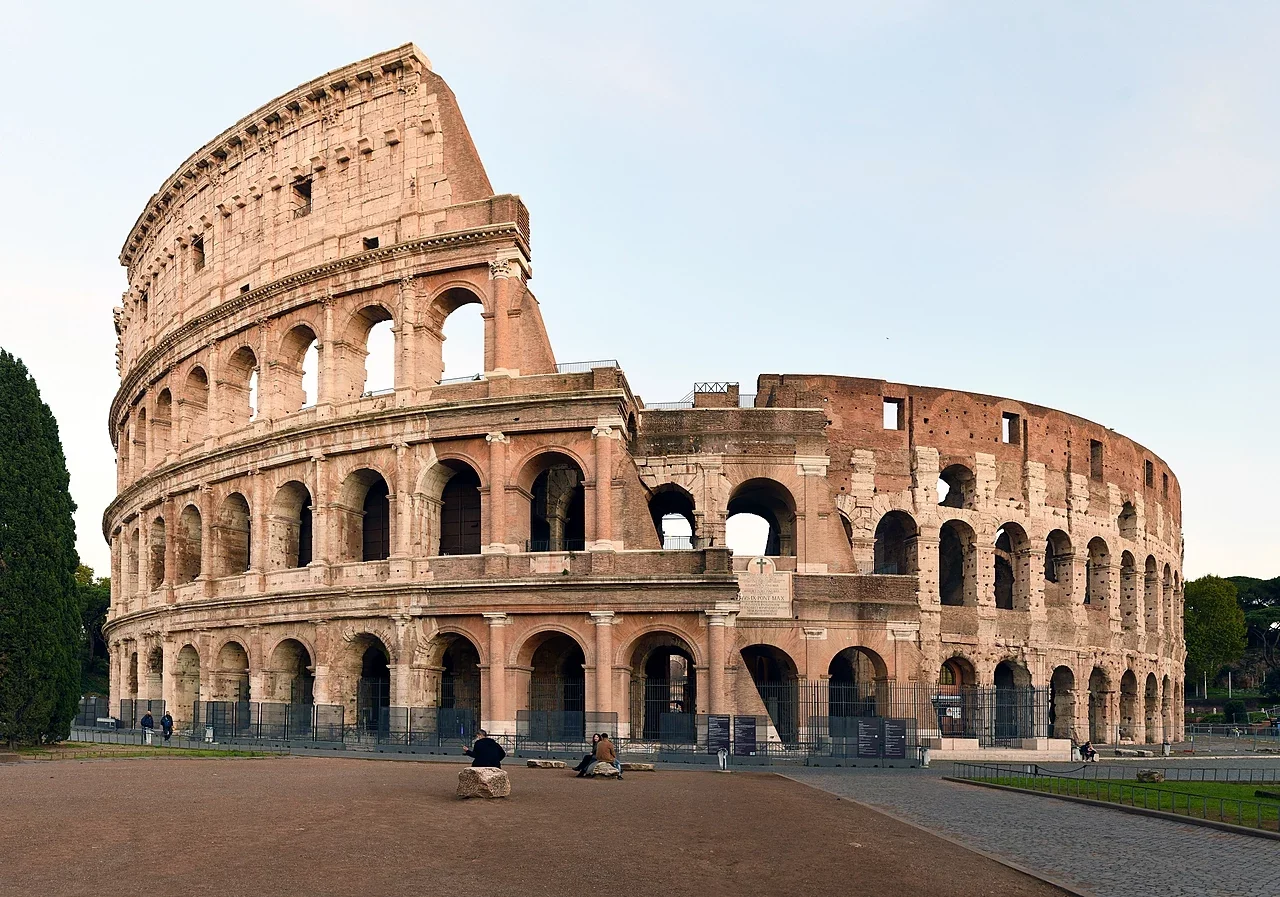
There is an indelible link in the popular imagination between the Romans and their monumental entertainment venues, and it’s no wonder. To employ the hackneyed—but only slightly hyperbolic—imagery intended to highlight the empire’s cultural continuity and sheer geographic extent, Roman-style theaters and amphitheaters, erected in stone, brick, and marble, survive from Spain to Syria, and from Scotland to the Sahara.
Which is why it may come as a surprise that, for much of Ancient Rome’s existence, there was a strict cultural taboo against building these venues in stone.
The Beef With Stone
The Romans of the Early and Middle Republic were remembered by posterity for their austere habits and rigid adherence to established mores. Think Lucius Quinctius Cincinnatus, who, summoned from his simple, farming retirement to serve as dictator in a time of crisis, voluntarily relinquished power after sixteen days and returned to his plough.
It was not as though the Romans of this age never let their hair down—or “put aside the toga,” as they might phrase it. The foundations of Roman tastes in entertainment were laid as far back as the fourth century B.C.E., according to our sources, and chariot racing may have arrived in Rome during the Regal Period. But the key was to take such frivolity in extreme moderation. For that reason, the Romans seem to have decided early on that while it was permissible to build venues for mass diversion, building them to be permanent was going too far.
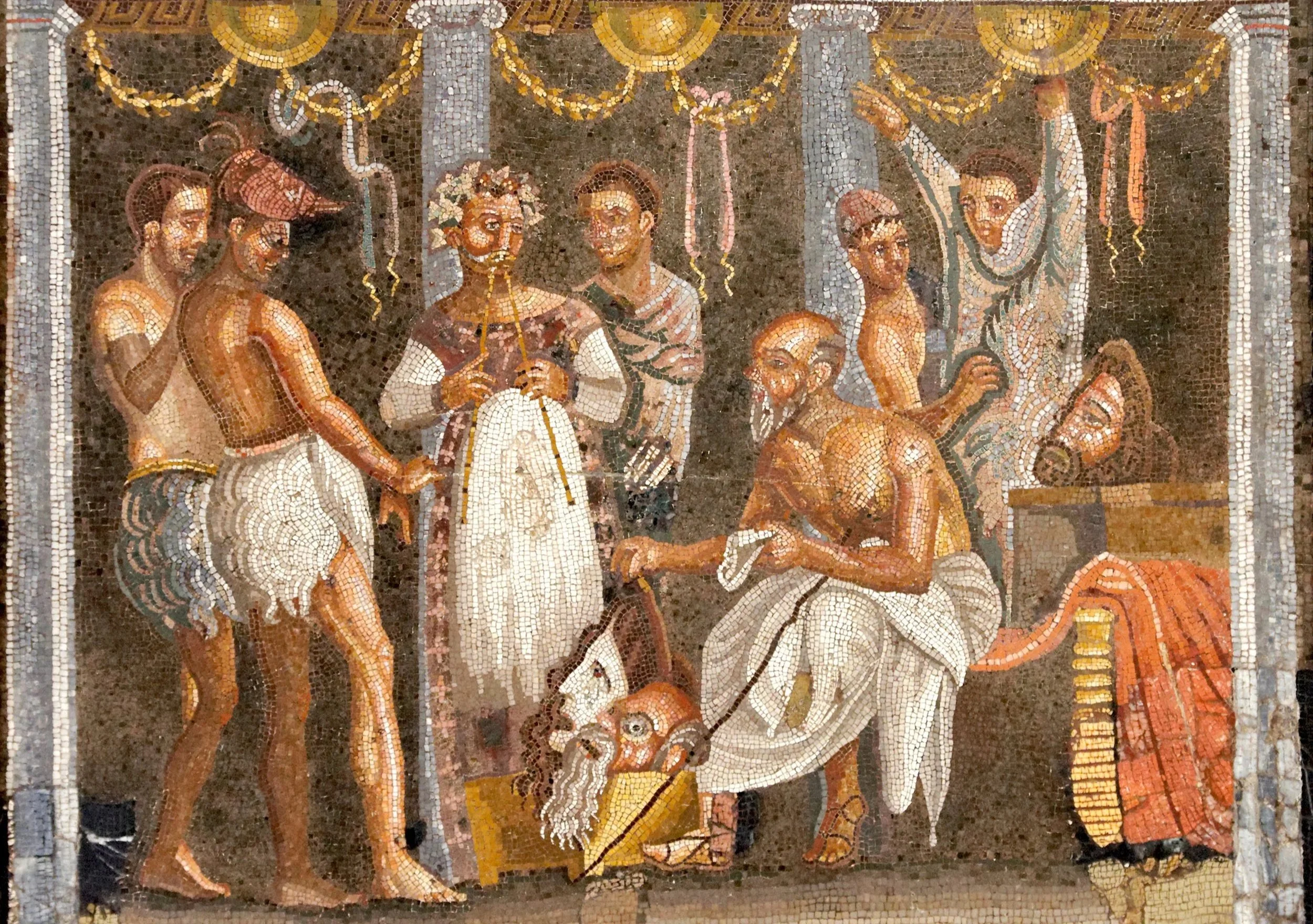
Roman mosaic depicting actors and an aulos player (ca. 1st century C.E.), House of the Tragic Poet, Pompeii.
And it was not simply a fear of excess that informed this prohibition. Roman elites were perennially preoccupied with political agitation from the lower classes, and, to their mind, stone-built venues—places where throngs of plebeians could gather with minimal oversight and regulation—risked providing an ideal proving ground for conspiracy and subversion. There was also the parochial perception that stone theaters typified the sort of luxurious excess that supposedly made Rome’s Greek neighbors soft and weak.
In short, the Romans feared that stone theaters might turn them all into fractious, hedonistic Hellenes—which was apparently too great a peril to contemplate.
Rome’s Great Wooden Venues
Much like the second little pig of childhood lore, the Romans lit upon a particular solution: to build their theaters, amphitheaters, and stadia of sticks—well, wood.
In advance of a major event—a festival, an important funeral, or a public exhibition—the promoter would arrange for a private firm to construct the necessary facilities. Then, once the occasion had passed, the structures would be dismantled and the chosen locale returned to its prior condition.
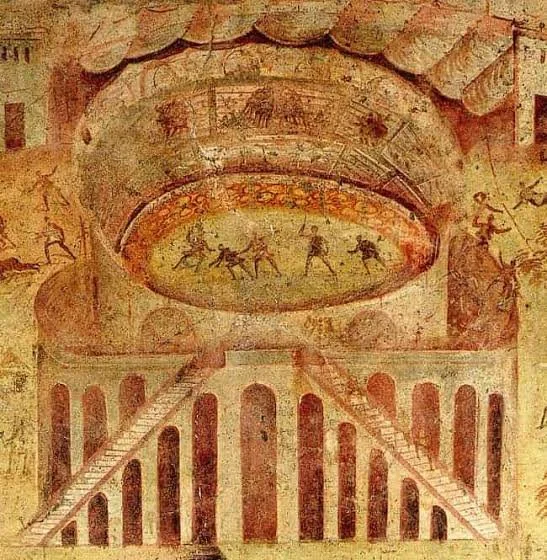
Amphitheater Fresco (ca. 59 C.E.), House of Actius Anicetus, Pompeii.
The requirement that entertainment edifices be built out of wood even extended to permanent sites, such as the Circus Maximus. The ‘Greatest Circus’ was Rome’s largest venue where its vaunted chariot races were held. It was not until the 190s B.C.E. that stone seating was introduced trackside, and that was reserved exclusively for senators—because they could be trusted with such a unique privilege.
One should not come away with the impression that Rome’s wooden constructions were poor affairs. Roman elite society was deeply competitive, and event sponsors exploited every opportunity to impress and awe audiences with the splendor of both the shows they put on and the venues where the shows took place. This was especially true in the Late Republic, when the immensity of aristocratic wealth and the sheer intensity of elite rivalry combined to produce some truly spectacular wooden venues.
In 58 B.C.E., Marcus Aemilius Scaurus commissioned the construction of a magnificent wooden theater capable of accommodating eighty thousand spectators on three levels of seating—the bottom faced with marble, the middle with glass, and the top with gilded wood—and ornamented with three thousand bronze statues. In 53 B.C.E., Gaius Scribonius Curio constructed two large semi-circular wooden theaters adjacent to one another, with each built on top of a rotating mechanism. In the morning, both theaters, which were positioned back-to-back to minimize sound intrusion between them, hosted a separate play. In the afternoon, the mechanisms were turned, with the audience still in their seats, and the two theaters swung around to face one another to form a massive circular amphitheater for gladiatorial games.
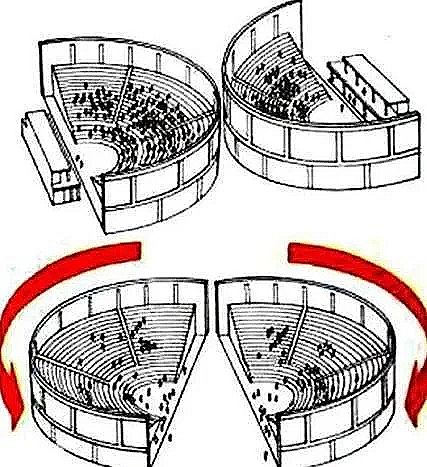
Imagine that the stands are much fuller and that all you can hear is an ominous, creaking groan…
This was a remarkable feat of engineering, but, as Pliny the Elder pointed out a century later, also a horrifying potential death trap that no one should have entered willingly.
And this was the major problem posed by these temporary structures: while some were intricate and truly splendid, many were slapdash and unsafe. It was not unknown for the edifices to warp and splinter under their own weight—and that of their audiences—and, on more than one occasion, portions or even entire structures suffered catastrophic failure.
The worst event was at Fidenae in 27 C.E. A shoddily-built amphitheater, sponsored by a certain gladiatorial promoter named Atilius, collapsed while the games were in full swing. According to Suetonius, the catastrophe resulted in twenty thousand deaths, and Tacitus wrote that there were fifty thousand dead or seriously injured. Indeed, so serious was the disaster that the emperor Tiberius was convinced to leave his self-imposed exile on the island of Capri to assist the survivors. This is particularly noteworthy when you consider that Tiberius did not even think it worth leaving Capri four years later when he learned that his praetorian prefect, Sejanus, was found to be conspiring against him (a story for another time).
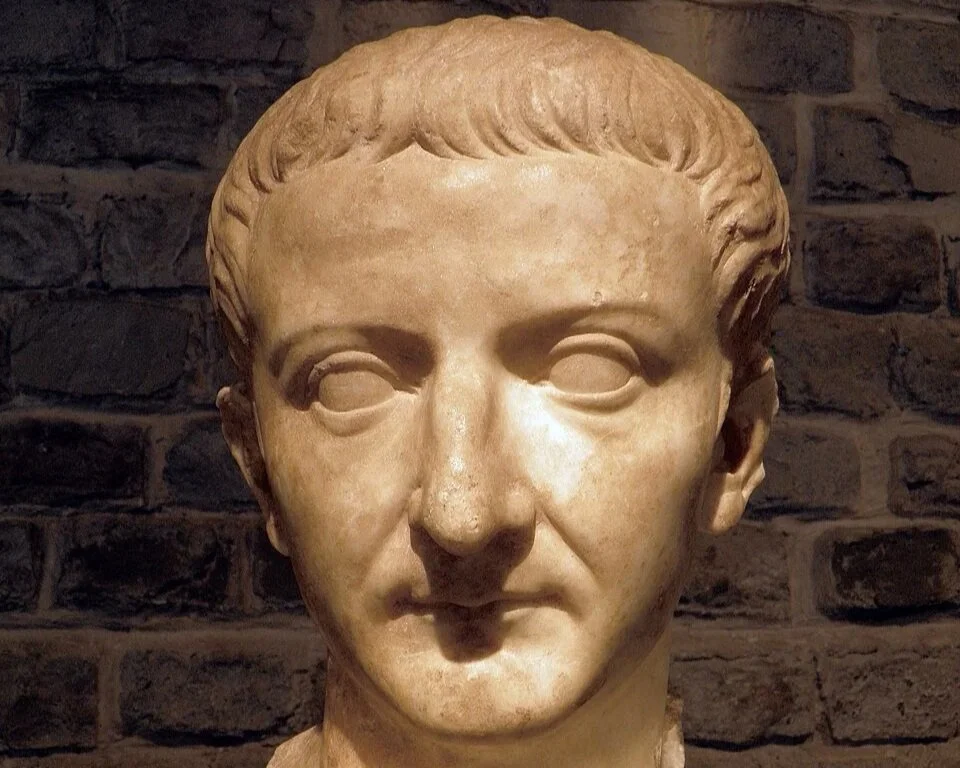
Marble portrait bust of Tiberius (ca. 14—37 C.E.), Römisch-Germanisches Museum, Cologne.
The Roman Senate also leapt into action. They decreed that all future amphitheaters must be carefully inspected and certified safe. They also banned individuals with fortunes of less than four hundred thousand sestertii from hosting gladiatorial shows—which would seem to leave a rather large loophole for super-wealthy promoters who might be inclined to build on the cheap. Finally, the Senate banished Atilius—from what is unclear, and, in any case, it seems a remarkably lenient punishment for tens of thousands of counts of negligent homicide.
Now, it is well known that ancient writers often inflated numbers for effect, but even if the actual casualty figure was a tenth of Suetonius’s count, Fidenae would remain the worst stadium disaster in history by several orders of magnitude.
It was partly due to the obvious risks that this practice posed to public safety that the Romans slowly—and, at first, very, very grudgingly—moved towards building their venues out of stone.
A Convenient Fiction
The first permanent stone theater in Rome was dedicated in 55 B.C.E. by Gnaeus Pompeius Magnus, better known in English scholarship as Pompey the Great, the Late Republican general and political ally—later turned bitter rival—of Julius Caesar.
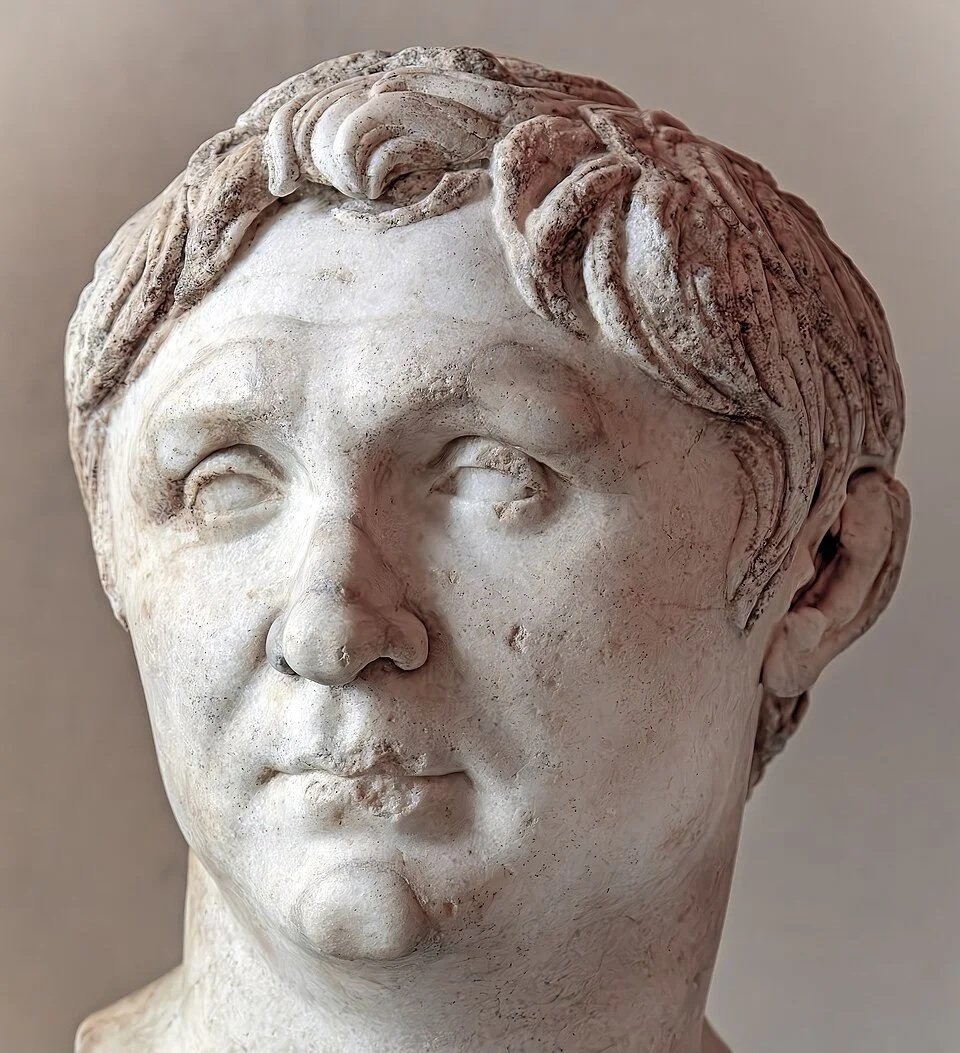
Marble portrait bust of Gnaeus Pompeius Magnus (ca. 1st century B.C.E.), Museo Archeologico Nazionale, Venice.
Pompey was no stranger to breaking with established precedent. In 70 B.C.E., he was elected consul at the age of thirty-six, which was expressly illegal—consuls at this time were required to be at least forty-two years of age.
And yet, despite Pompey’s bold, norm-shattering methods, he knew better than to try to batter through this established taboo too aggressively.
First, he commissioned the construction of his stone theater on the Field of Mars, which lay outside the pomerium, the sacred boundary of the city, which was supposedly delineated by Romulus himself. The pomerium formally divided Rome itself from the rest of the world, and, within its bounds, there were strong prohibitions against certain profane practices. By siting the theater beyond the pomerium, Pompey sought to dodge, or at least blunt, any legal or religious objections to what he was doing.
Second, at the apex of the theater’s seating, Pompey arranged to have a shrine dedicated to Venus Victrix, Venus the Victorious. In this way, he could claim that this was not really a stone theater, but rather a stone temple, for which Rome had robust and longstanding precedents.
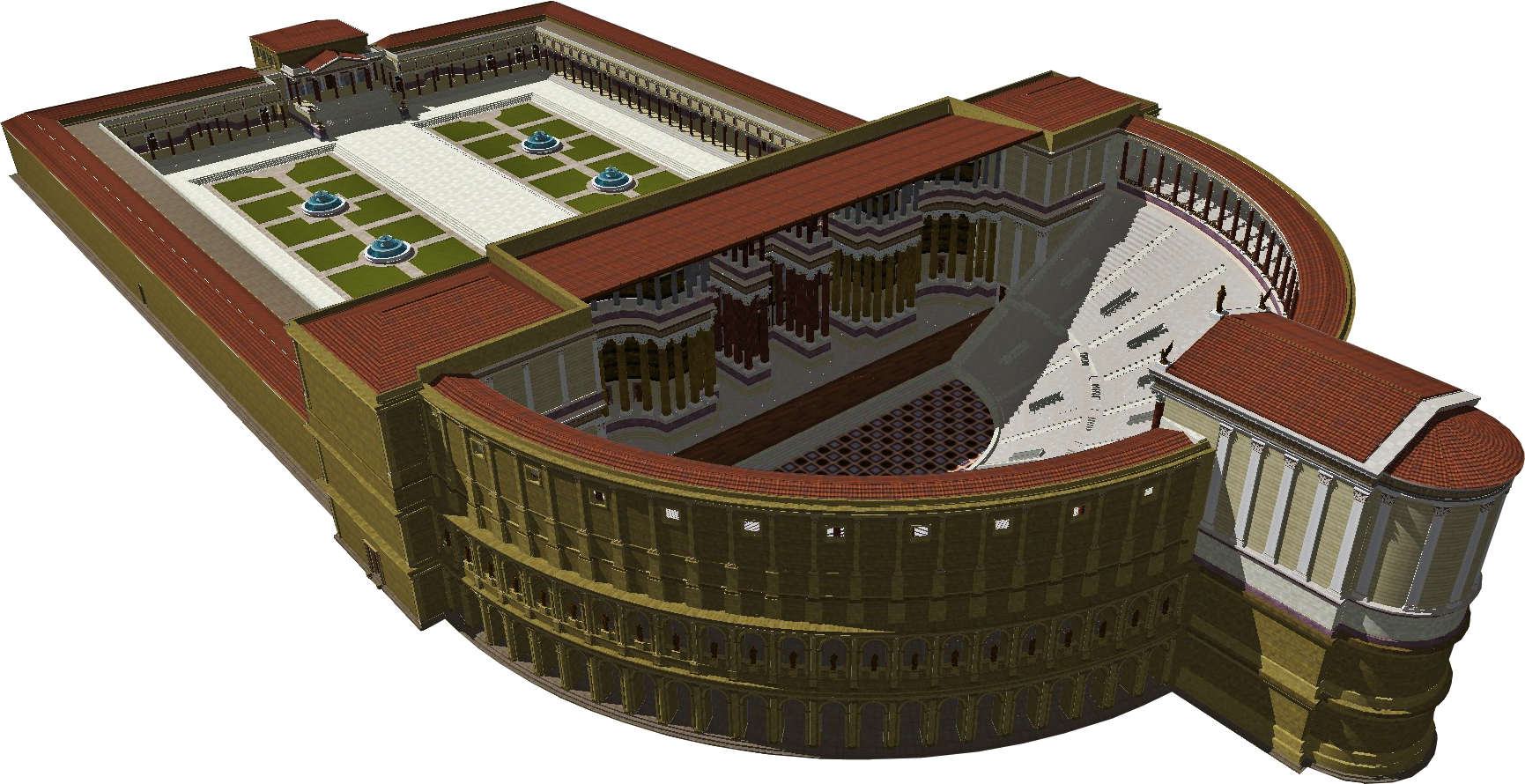
Pictured: Not the Theater of Pompey
Basically, if you were to think of Pompey being pulled aside by a moralizing aristocrat in terms of a modern traffic stop, Pompey would be able to say:
“Oh, no, officer, this isn’t a theater. No, no, not at all! It’s a temple, you see. For Venus Victrix, that’s right. People just choose to sit on its steps sometimes, but there’s not much I can do about that, is there? Now, I never do this, but I’m afraid I’m going to have to ask you to call your supervisor.”
A New Trend
Pompey’s revolutionary temple/theater—which was the setting of Caesar’s assassination—was merely the first in the city. Lucius Cornelius Balbus built a rather small theater in 13 B.C.E., which was also the year that Augustus completed the massive Theater of Marcellus, dedicated to the memory of his dead nephew—who was the first of five designated successors to predecease him (a topic I’m sure we’ll return to in the future).
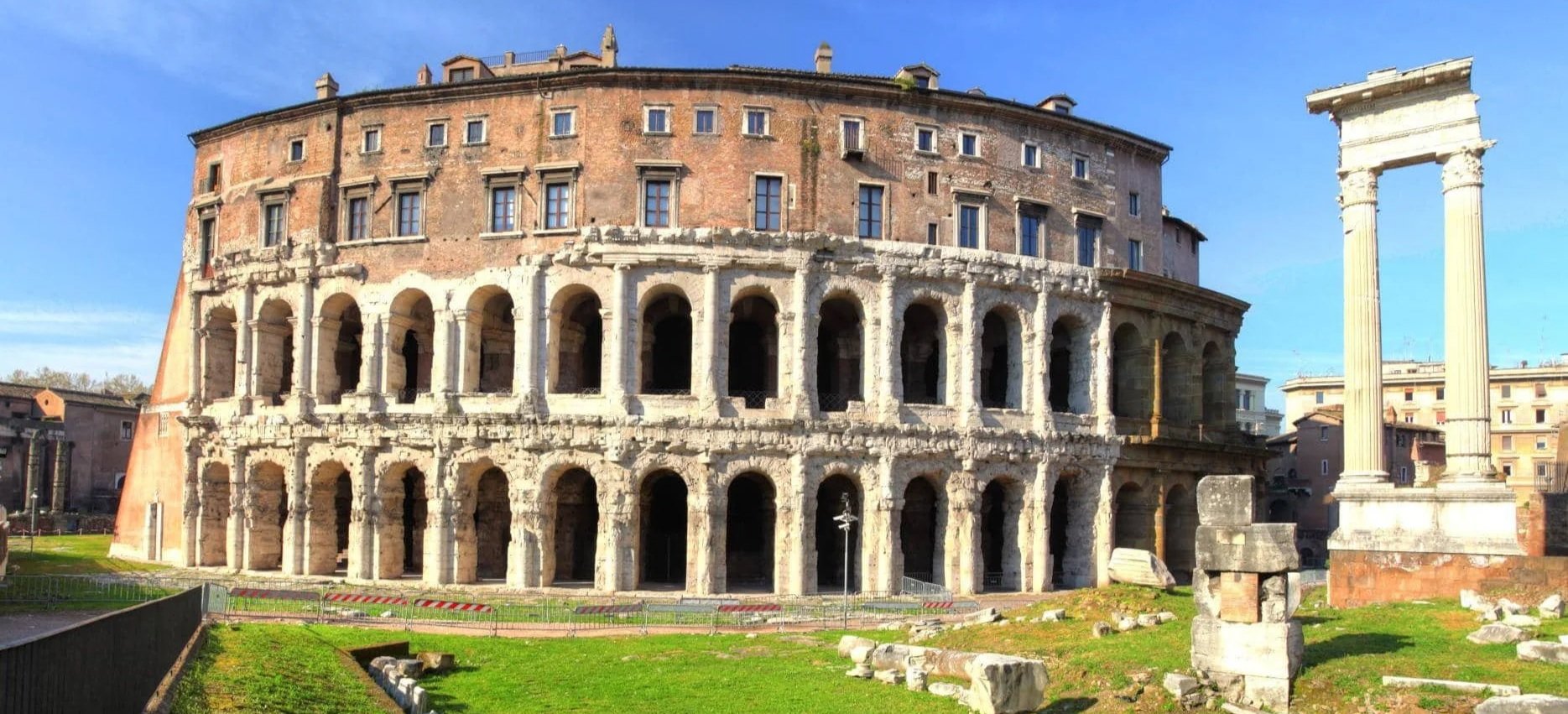
And it did not take long for permanent entertainment venues to go from taboo to mandatory as Roman tastes, habits, and social conventions spread throughout the broader Mediterranean world.
As the second century antiquarian Aulus Gellius observed, Rome’s colonies were conceived as “small likenesses, and indeed, miniatures” of the mother city. If your town hoped to lay claim to any semblance of civilization, it needed to boast the basic trademarks of Roman urbanism, and few were more conspicuous than a stone-built theater, amphitheater, or—if you were really going for it—circus.
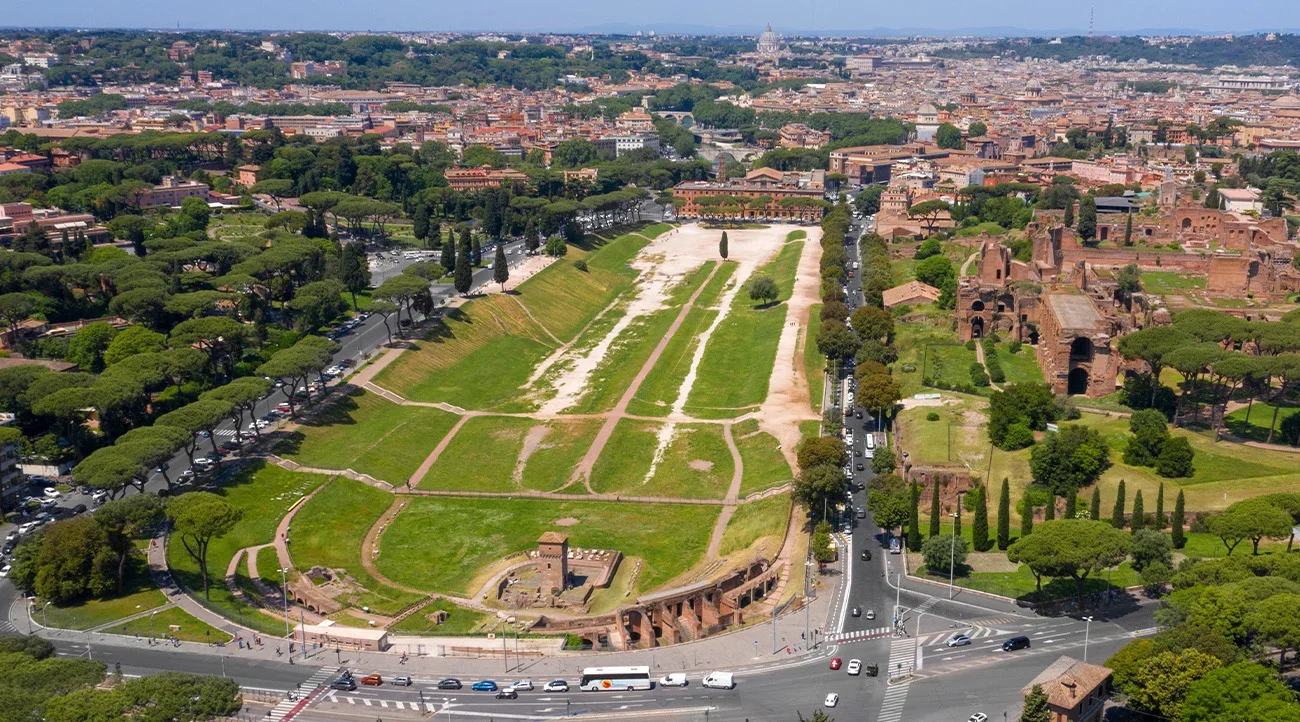
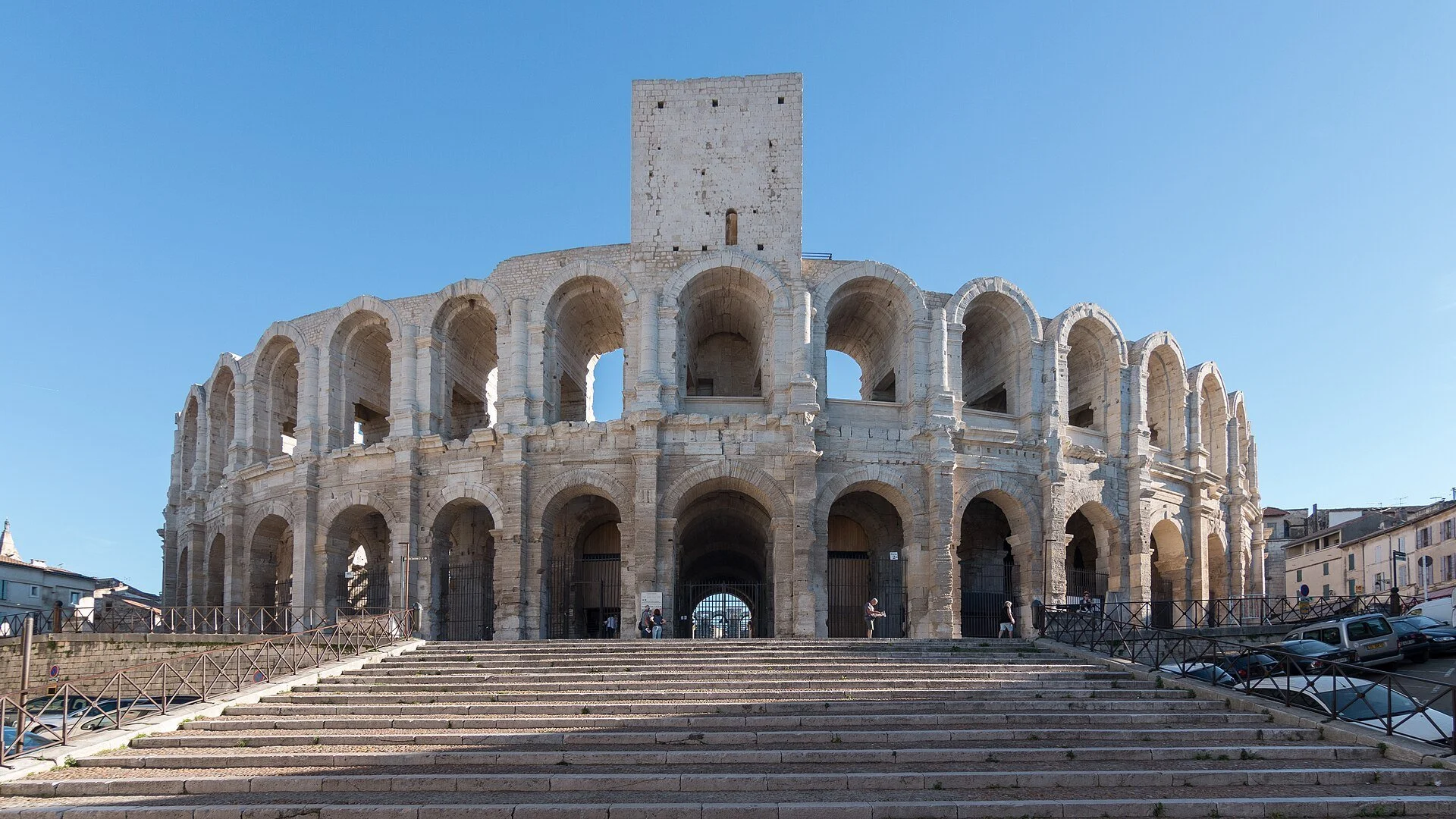
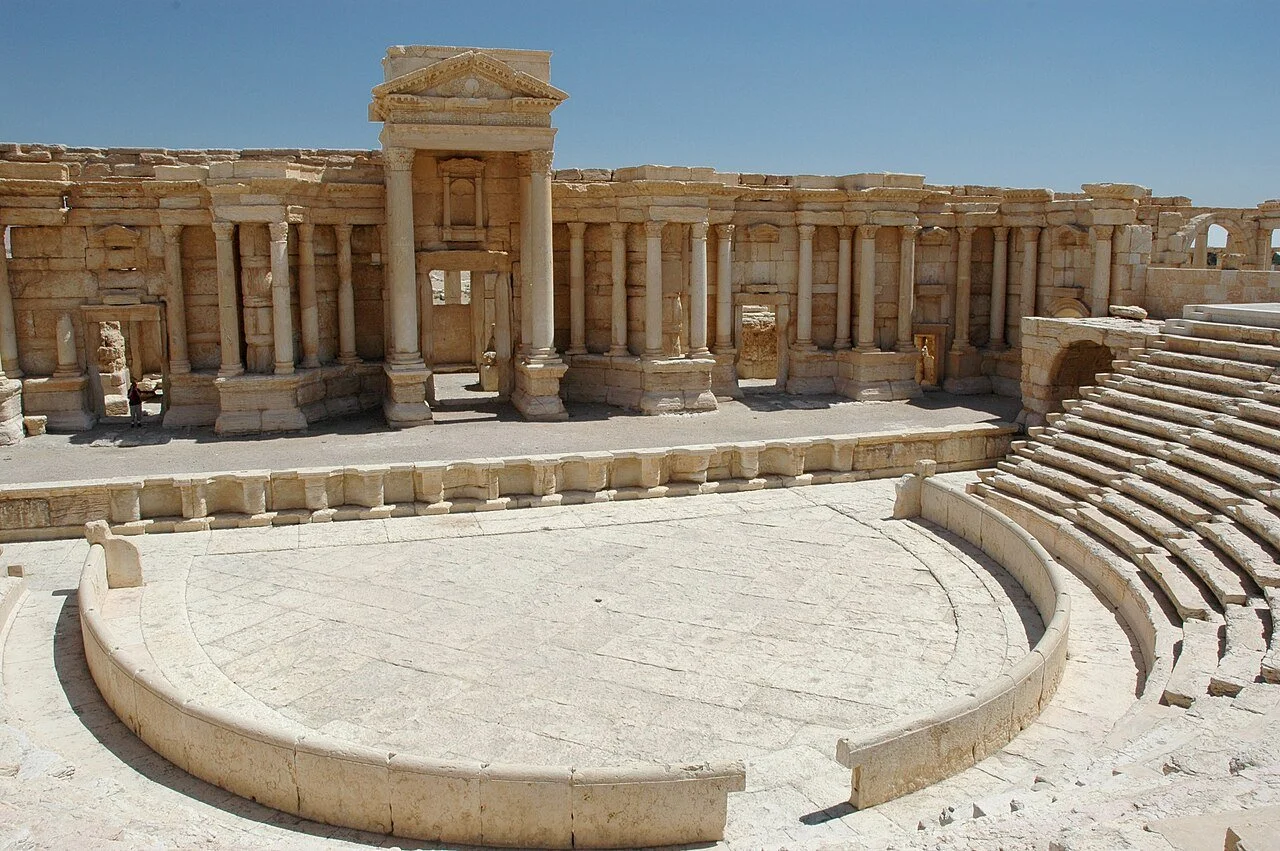

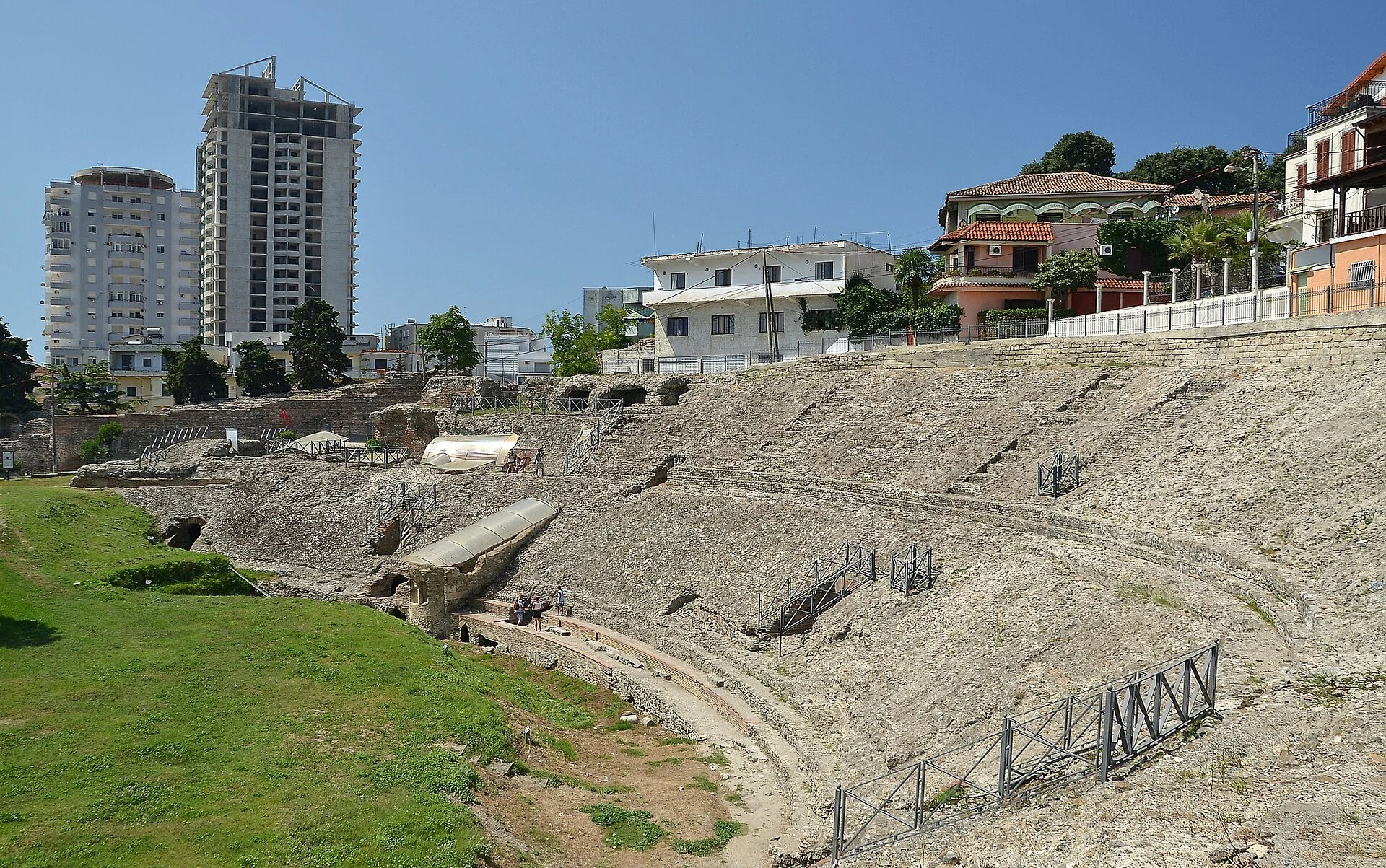
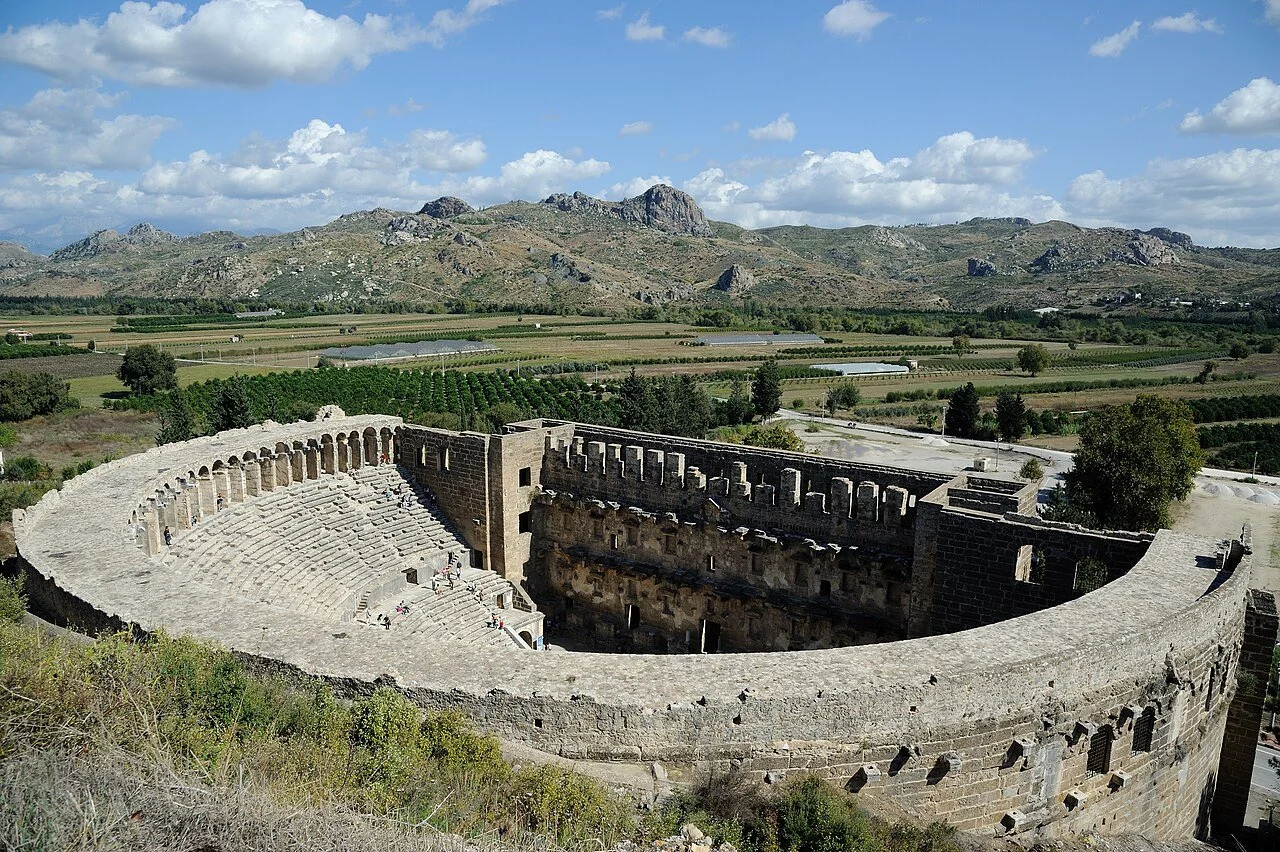
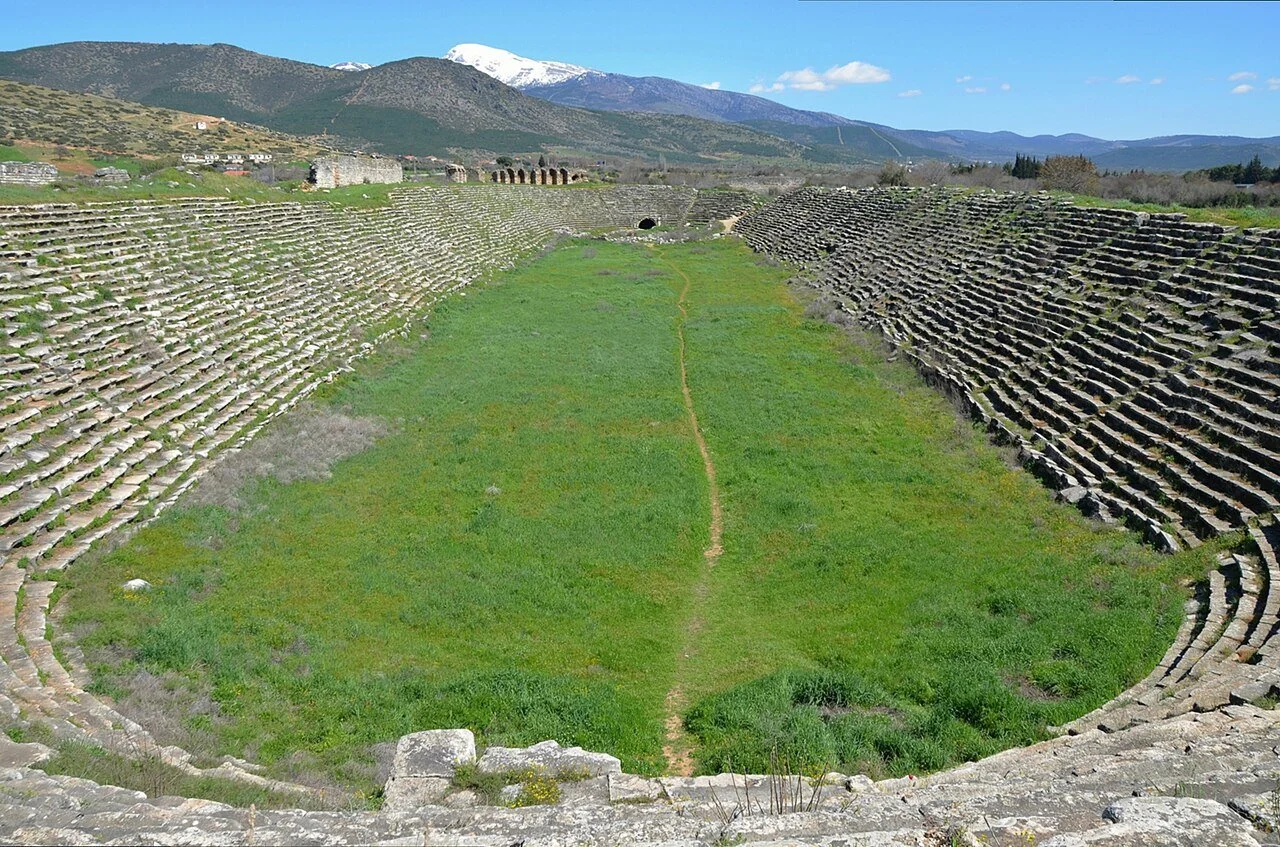

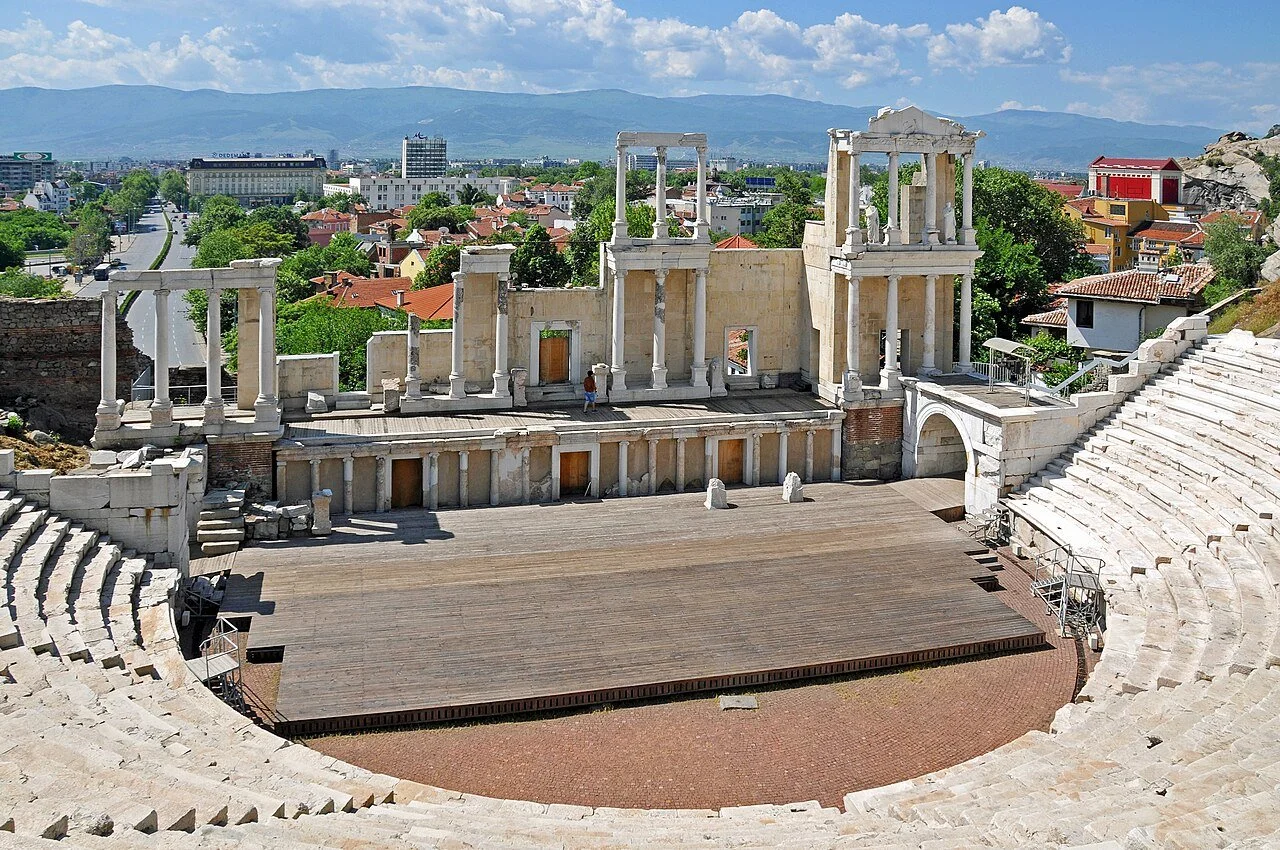
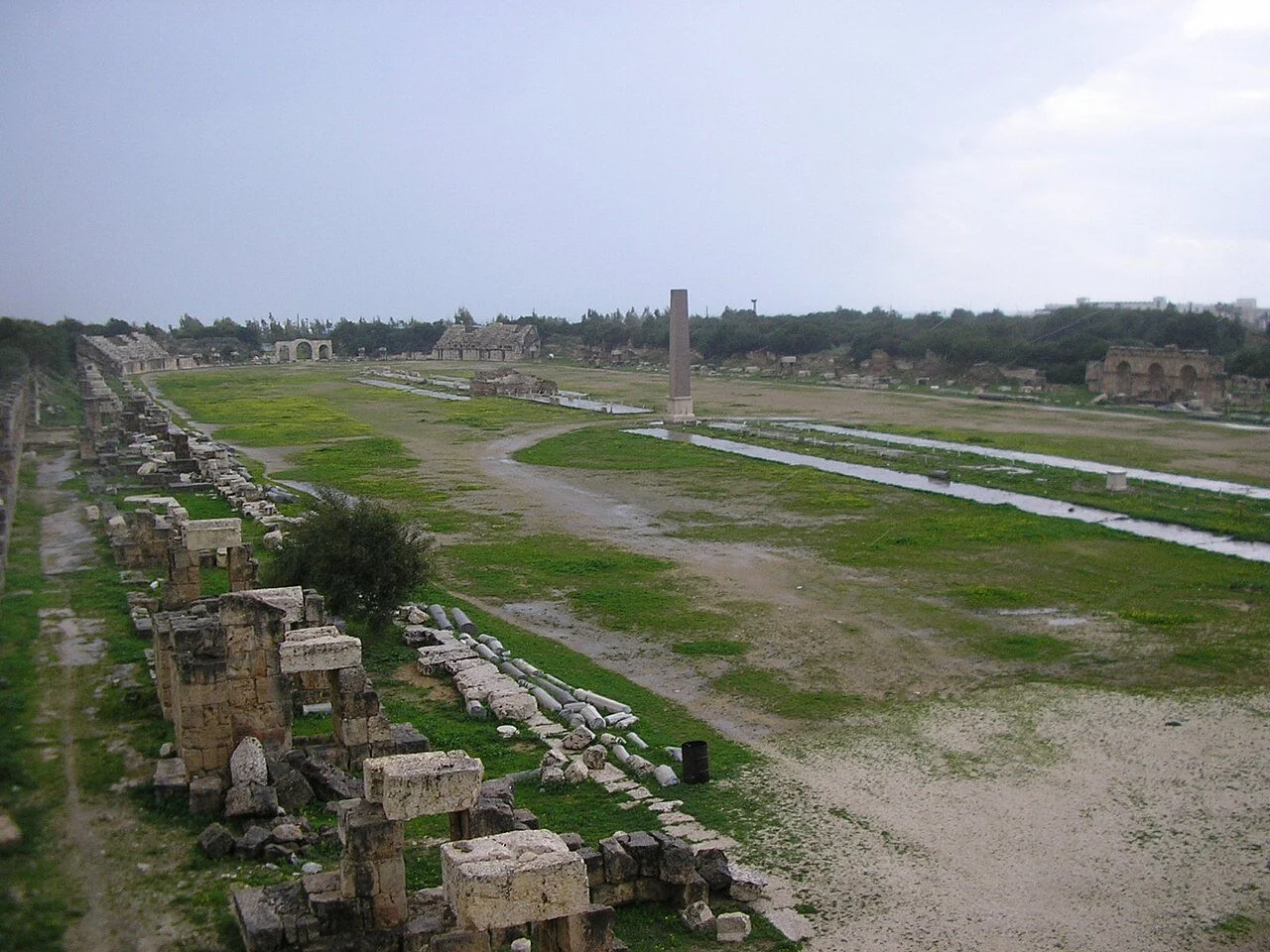
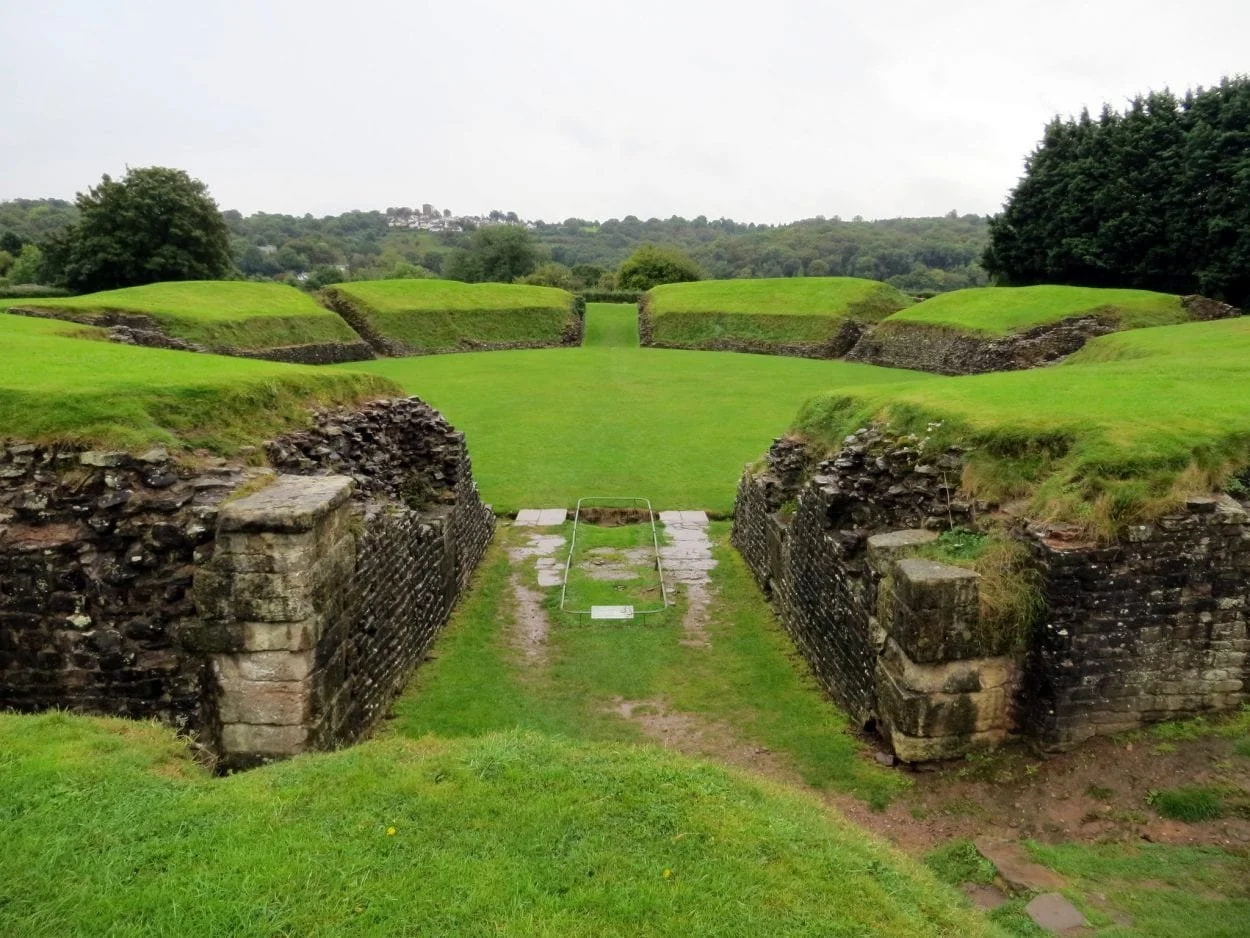
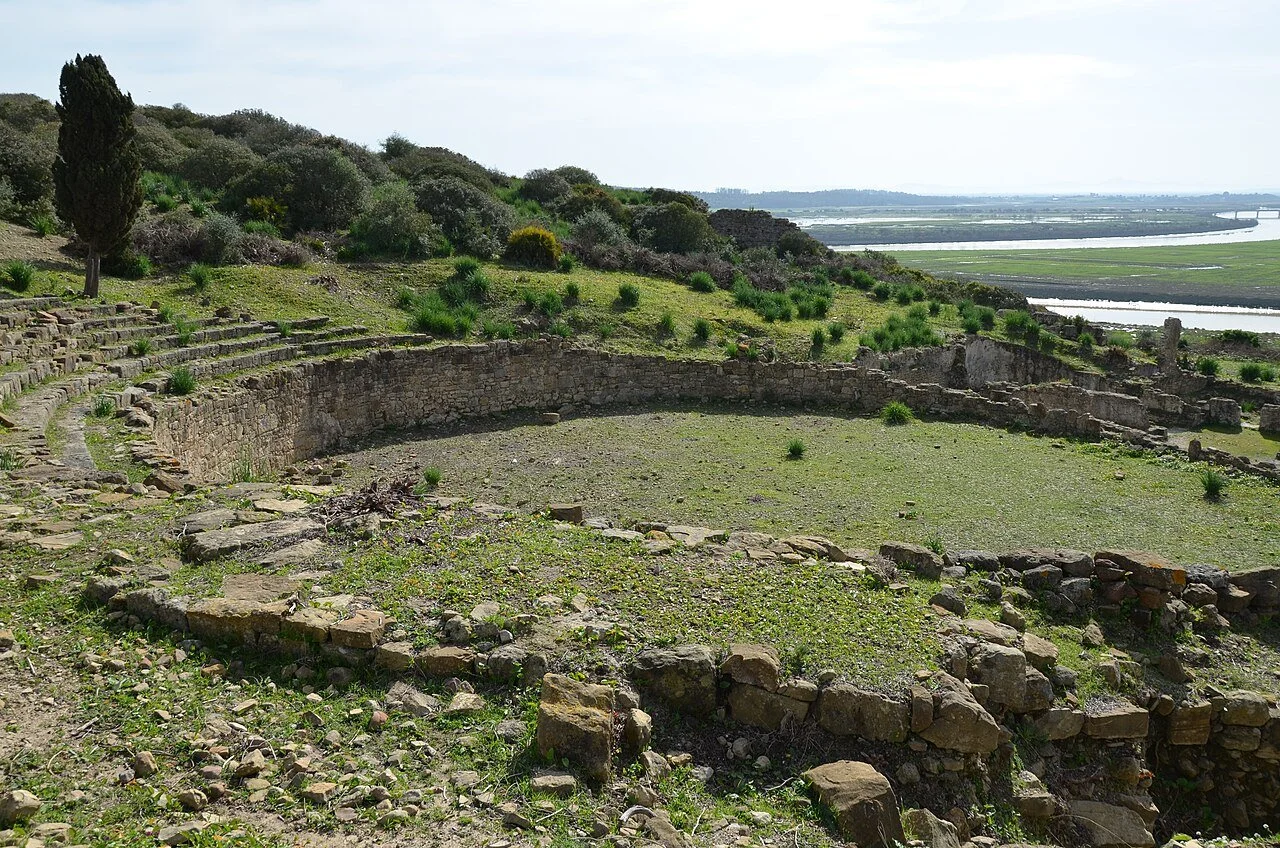
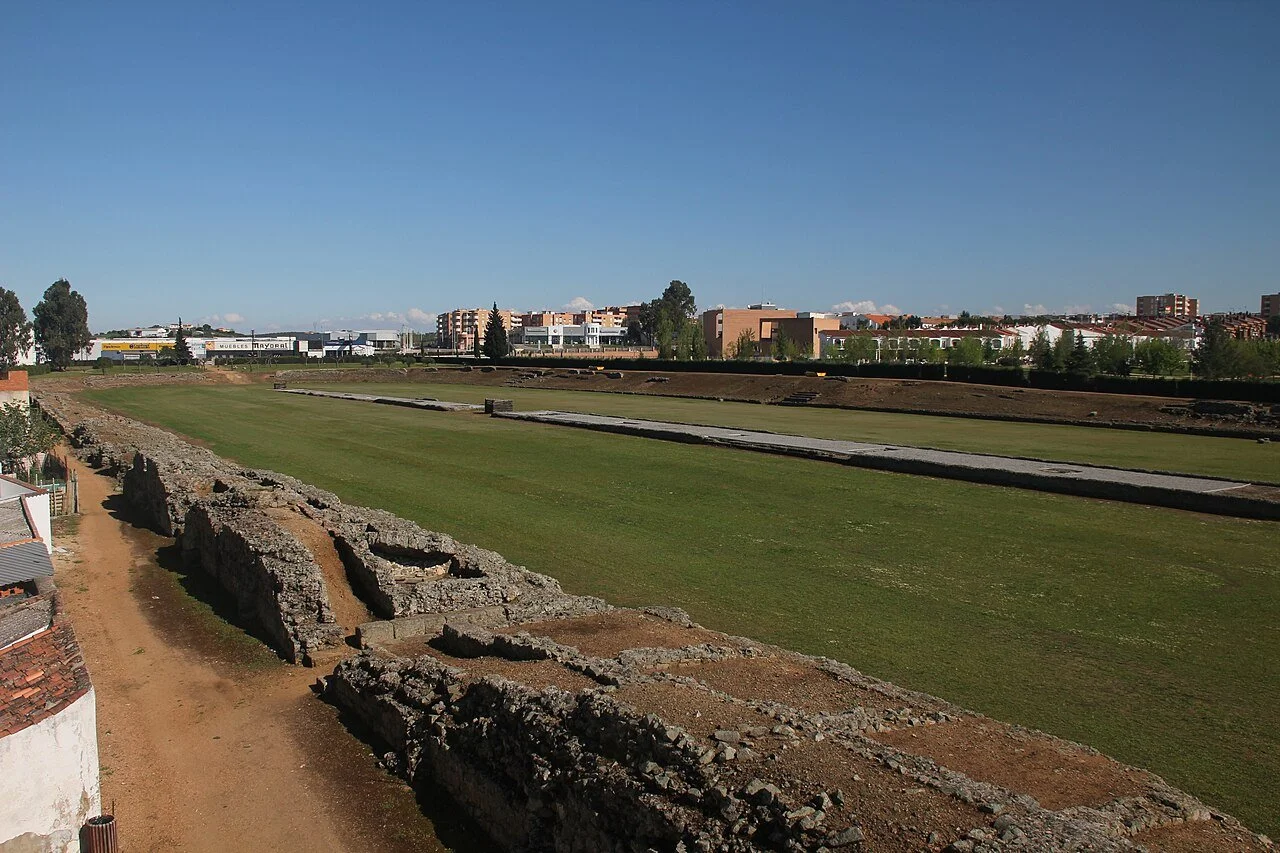
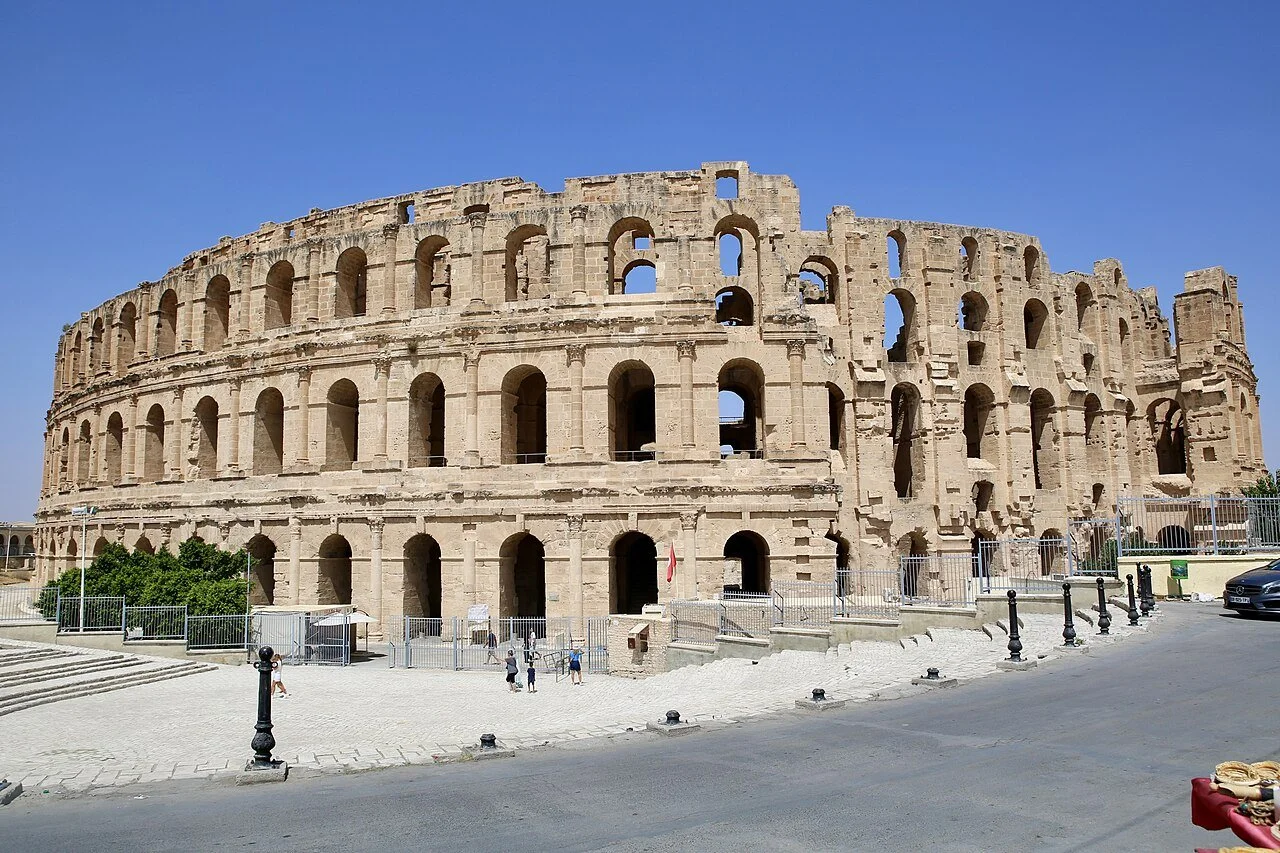
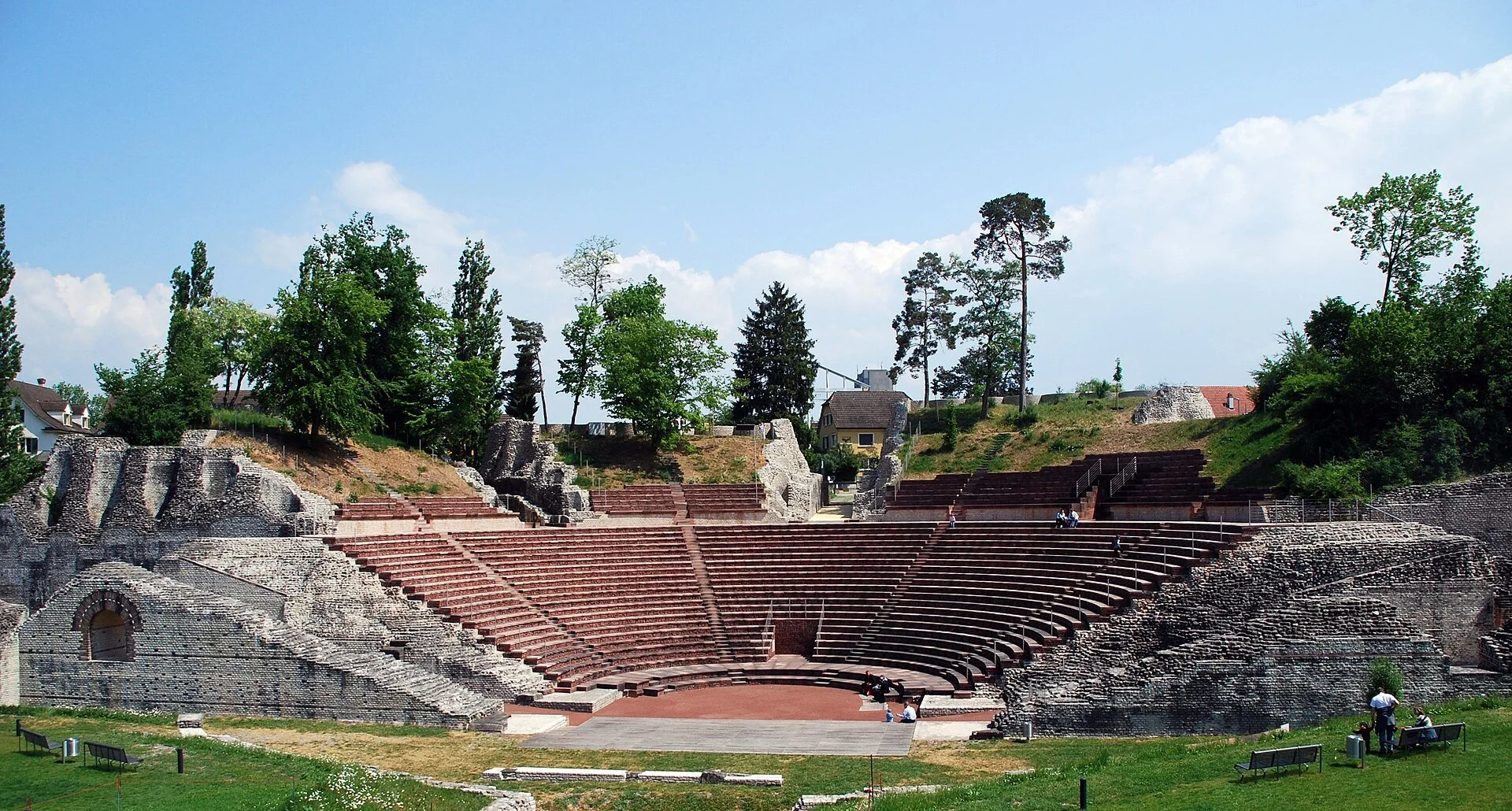
To employ a somewhat deflating modern analogue, a Roman would look at a city without a theater the same way an American might look at a town without a Target; technically survivable, but hardly livable.
There is a beautiful irony in the fact that, within a few generations, the very structures their ancestors had regarded with such hidebound suspicion became among the most recognizable symbols of Romanness.