
Review: “The Song of Achilles” by Madeline Miller
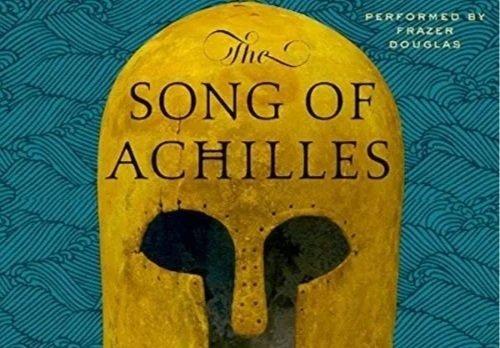
The Song of Achilles, Madeline Miller’s debut novel and winner of the 2012 Women’s Prize for Fiction, offers a compelling and intimate retelling of Homer’s Iliad through the eyes of Patroclus—the overshadowed companion and lover of the great Greek hero. Set against the backdrop of fantastical myth and the visceral realities of war, Miller’s narrative foregrounds devotion, compassion, and the quiet strength of a mortal figure moving through a world peopled by divinities and demigods.
It is a must-read for anyone drawn to classical antiquity, epic poetry, or stories that ask how far a pure heart will go for the one it loves.
Miller possesses a unique ability to complicate and reinterpret characters whose identities have been shaped by millennia of storytelling, all while remaining faithful to her source material. Her Achilles is not the proud, glory-driven warrior-king of legend, but an uncertain youth, grappling with the mantle of greatness laid upon his shoulders. Thetis, the hero’s divine mother, is transformed from a maternal figure into a cold, fearsome, and distant presence. Consumed by the promise of her son’s golden Fate, she will stop at nothing to protect that legacy from anything that might sully it—including Patroclus’s love. And Patroclus, far from serving as a mere catalyst to the plot, becomes the narrative’s emotional and interpretive center, shaping the story through his perspective and imbuing it with a depth of feeling that elevates its emotional stakes.
Equally compelling is the author’s handling of Homer’s world. She strikes a careful balance between the marvelous and the mundane—the mortal and immortal planes coexist but without the familiar intimacy associated with conventional myth. While the gods make their presence known, they remain aloof and unsettling. Through Patroclus’s eyes, we regard them with trepidation, wary of their distinct otherworldliness and their callousness towards mortals that often borders on cruelty.
At the same time, Miller eschews the epic tradition’s glorification of shining, bronze-clad warriors and serried battle lines, instead leaving her characters mired in—and irrevocably tinged by—the grim and bloody tragedy of war.
The author’s prose style further reinforces the novel’s intimate scope. Her writing is lyrical yet restrained, possessing an elegance that mirrors the emotional depth of the story as well as the classical tradition from which it draws. Miller’s approach to the narrative is measured and deliberate, which may at times frustrate readers eager for the blare of trumpets and the clash of arms. Yet this restraint ultimately deepens the emotional resonance of Patroclus’s story, lending greater poignancy to its tragic conclusion—one that, for many readers, is already known.
In reimagining one of the foundational texts of world literature, Madeline Miller has crafted a work that is both true to its origins and strikingly original in its emotional depth and its conception of Greek myth. The Song of Achilles is no mere retelling. It is a re-envisioning—one that asks us to grieve not for the loss of glory, but for the loss of a man. That its conclusion devastates the reader despite a three-thousand-year-old spoiler is perhaps the clearest measure of what Miller has achieved.